
Want to know whether to use an online pharmacy or stick with your local drugstore? Both work, but they serve different needs. Online shops can be cheaper and more convenient for routine meds. Local pharmacies give quick advice, same-day pickup, and a real person to ask. Here’s a practical guide to tell them apart and pick the safest option for your situation.
Start by checking the basics: a real street address, a working phone number, and a licensed pharmacist listed. If a site sells prescription drugs without asking for a prescription, walk away. Look for seals like NABP VIPPS or LegitScript for U.S.-facing sites, and memberships in recognized Canadian pharmacy associations if it claims to be Canadian. SSL (the padlock in your browser) is a must for secure orders; HTTPS only. Search the pharmacy name plus words like “reviews” or “scam” to spot complaints or red flags.
Ask where the pills are made. Reputable sites list manufacturers and lot numbers. If that information is missing or vague, it’s a risk. You can also call and ask to speak with the pharmacist—how they answer basic safety questions tells you a lot.
Compare prices but don’t chase the lowest price alone. Very low prices often mean counterfeit or expired medicine. Use comparison tools and ask your doctor about generic alternatives; generics save money and are just as effective for most drugs. Consider mail-order for stable, long-term meds—many plans offer 90-day supplies at a lower cost.
Protect your payment and privacy. Prefer credit cards or trusted payment services that offer fraud protection. Avoid wire transfers or direct bank transfers to overseas sellers. Read the privacy policy: it should explain how your data and prescription info are stored and shared.
Keep records of every order—receipts, lot numbers, and photos of the pills when you get them. If a medication looks different from what you expect (shape, color, or smell), contact the pharmacist and your prescriber before taking it.
When to choose local over online? If you need quick advice, immediate pickup, complex medicines that require monitoring, or if you have multiple prescriptions that need coordination, go local. When is online a good pick? For routine refills, bulk orders, or when cost savings matter and you’ve confirmed the pharmacy is legit.
Final quick checklist: verify licensing, require a prescription, check seals and reviews, confirm contact details, and protect payment. Use telehealth or your primary doctor to confirm any changes in brand or dose. With these steps you can use both pharmacy options safely and smartly.

Finding the right online pharmacy can be overwhelming, especially with so many choices available. This article explores eight alternatives to CVS.com, each offering unique services and benefits. From major retailers like Walgreens and Target to online giants like Amazon Pharmacy, discover which option best suits your needs. We also dive into niche services like Capsule and Costco, weighing their pros and cons to help you make an informed decision.
DOACs like apixaban, rivaroxaban, and dabigatran require precise dosing adjustments in kidney disease to prevent bleeding or clots. Learn how to calculate creatinine clearance correctly and choose the safest option.
Learn how the FDA ensures generic drugs are safe, effective, and affordable. Understand the approval process, why generics cost less, and what you need to know as a patient.
Learn how to spot misleading claims in media reports about medication safety. Understand the difference between errors and reactions, check absolute risk, verify study methods, and avoid panic-driven decisions.

Thyroid cancer is highly treatable, with most patients living normal lives. Learn about the main types-papillary, follicular, medullary, and anaplastic-and how radioactive iodine therapy and thyroidectomy are used to treat them. Understand when treatment is necessary and what to expect after surgery.
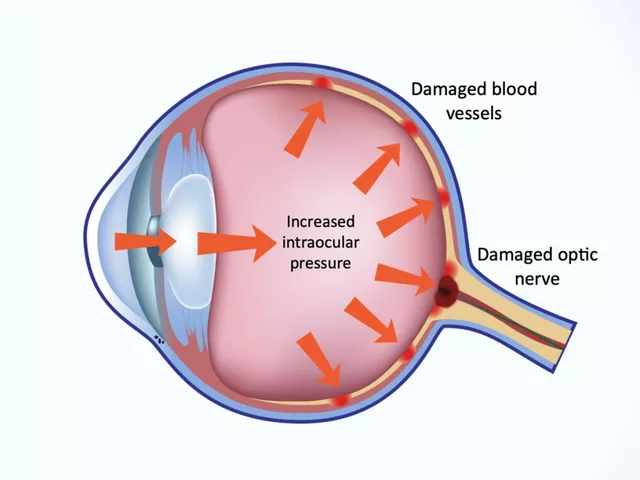
In a recent blog post, I discussed the link between high eye pressure and glaucoma, a potentially blinding eye disease. I learned that high eye pressure, also known as ocular hypertension, can damage the optic nerve and lead to glaucoma. It's important to have regular eye exams to detect any changes in eye pressure early on. While not everyone with high eye pressure will develop glaucoma, it is still a significant risk factor. Therefore, it's essential to be proactive in managing eye pressure and maintaining overall eye health.