
When you’re in pain, the last thing you want is to rely on opioids—but many people don’t know non-opioid pain relief, a broad category of treatments that manage pain without targeting opioid receptors. Also known as non-addictive pain management, it includes everything from over-the-counter pills to physical therapies and targeted nerve treatments. The truth? You don’t need opioids to feel better. Millions of people manage arthritis, back pain, nerve pain, and even post-surgery discomfort without ever touching a prescription opioid—and they’re doing it safely, consistently, and with fewer side effects.
One of the most common tools in non-opioid pain relief is NSAIDs, medications like ibuprofen and naproxen that reduce inflammation and block pain signals. These work well for muscle strains, joint pain, and headaches, but aren’t safe for everyone long-term. Then there’s acetaminophen, a widely used painkiller that doesn’t reduce inflammation but is gentler on the stomach and often recommended for people with kidney or heart issues. It’s in more than 600 products, from cold medicines to sleep aids, and knowing how much you’re really taking is key to avoiding liver damage. For nerve pain—like diabetic neuropathy or sciatica—doctors often turn to antidepressants or antiseizure drugs, which don’t treat depression or seizures but calm overactive pain nerves. These aren’t obvious choices, but they’re backed by solid research.
It’s not just pills. Physical therapy, acupuncture, heat and cold therapy, and even mindfulness practices can change how your brain processes pain. Some people find relief with topical creams containing capsaicin or lidocaine, which block pain at the source without entering the bloodstream. Others benefit from supplements like turmeric or magnesium, though evidence varies. The real secret? It’s rarely one thing. Most people need a mix—something for inflammation, something for nerves, something for movement.
What you’ll find in the articles below isn’t a list of miracle cures. It’s a practical, no-fluff collection of real-world options backed by science and patient experience. You’ll see how non-opioid pain relief connects to enzyme therapy, steroid sprays, vitamin D, and even sleep—because pain doesn’t live in isolation. It’s tied to your immune system, your hormones, your daily habits. These posts cut through the noise and show you exactly what works, what doesn’t, and how to make smart choices without a pharmacy rep pushing you toward a pill you don’t need.

Choline salicylate and lignocaine are transforming geriatric pain management by offering effective, non-opioid relief with minimal systemic risk. Ideal for arthritis and muscle pain in seniors, this topical combo avoids stomach and kidney side effects common with oral meds.

Are online pharmacies really less expensive and more convenient than your neighborhood drugstore? This in-depth article explores the real cost and time differences between RxConnected and local pharmacies, providing practical insights, data, and expert tips to help you make smarter choices about where to fill your prescriptions in 2025.

Learn fast, safe ways to purchase cheap generic Bactrim online, compare prices, spot legit pharmacies, and avoid common pitfalls.

With Canada Pharmacy Plus being a popular choice for many seeking prescription medications online, it's worth exploring some fresh alternatives in 2025. This article highlights noteworthy Canadian pharmacies offering diverse medical supplies while discussing each option's advantages and drawbacks. By examining aspects like customer service and pricing transparency, this guide aims to provide a comprehensive look at where to get your medications hassle-free. Dive in to find which pharmacy might be your next best pick.
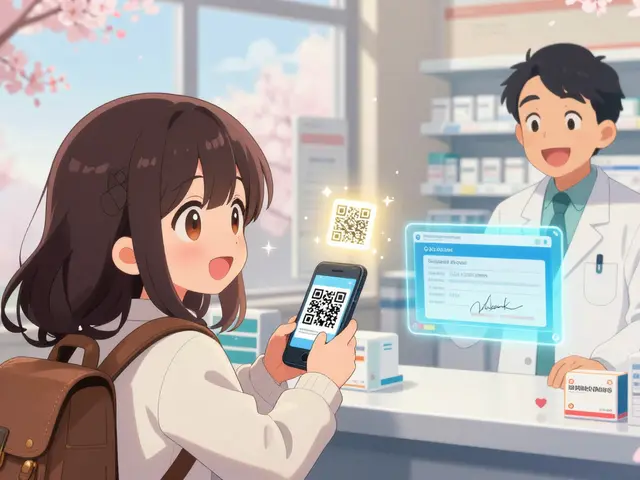
EU cross-border pharmacy services let citizens buy generic drugs in any member state using digital prescriptions. Learn how ePrescriptions work, where they’re accepted, and what still blocks access in 2026.
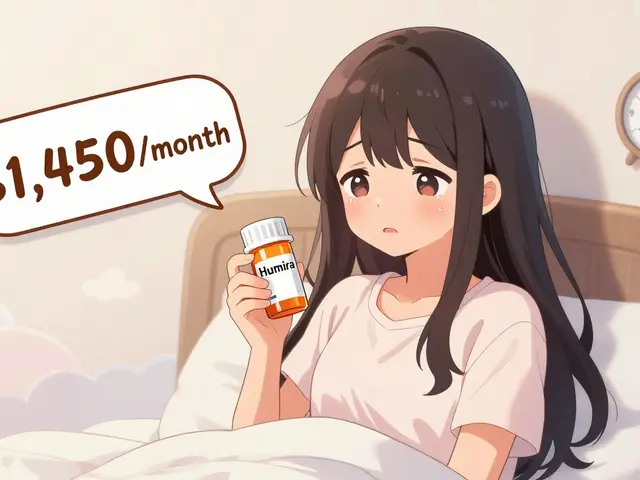
Not all brand-name drugs have generic versions-even after patents expire. Complex formulations, patent thickets, pay-for-delay deals, and FDA hurdles keep prices high. Here’s why some drugs stay expensive forever.