
Prescription and over-the-counter meds can blow your budget fast. You can save money without risking your health if you pick the right sources and use a few simple tricks. Below are clear, practical steps you can use today to lower drug costs and still get safe, real medication.
Compare prices across pharmacies before you buy. Use pharmacy price tools and look up generic names rather than brand names. Generics are usually much cheaper and work the same way for most drugs. Check local drugstores, big retailers, and verified online pharmacies like the ones reviewed on Exact-Pharma. Watch shipping fees and taxes; a low sticker price can disappear after delivery costs.
Sign up for pharmacy loyalty programs and coupons. Many chains give instant discounts, mail-in rebates, or points that turn into savings. Manufacturer coupons and patient assistance programs can cut costs for expensive meds. If you have a chronic condition, ask your doctor about larger prescriptions or 90-day supplies — these often drop the per-dose cost.
Never skip prescriptions or buy from unverified sellers just to save money. Counterfeit or expired drugs can be dangerous. Before ordering online, confirm the pharmacy is licensed and requires a prescription when appropriate. Read reviews and check for clear contact info, a licensed pharmacist, and secure checkout. Keep prescriptions and medication records so your doctor can suggest cheaper alternatives safely.
Talk to your healthcare provider about cheaper options. Many doctors know lower-cost generics or alternative therapies that work. Ask about dose-sparing strategies, like changing timing or formulations, only if your clinician approves. Pharmacists can often suggest a therapeutic equivalent that saves money.
Use pill-splitting and sample programs carefully. Pill-splitting can work when a drug's packaging and dosing allow it, cutting cost by buying higher-dose tablets and splitting them at home. Only do this under pharmacist guidance. Drug samples from clinics can cover short-term needs and reduce immediate expense.
Consider travel and international options selectively. For some meds, licensed pharmacies in other countries sell the same active ingredient at lower prices. Verify legal rules in your country, and choose pharmacies with clear licensing. Avoid any site that offers controlled substances without a valid prescription.
Track your spending and adjust. Keep a simple log of what you pay, how often you refill, and which savings methods work best. Small changes add up: switching to a generic, using a coupon, and ordering a 90-day supply can save hundreds a year. Use that saved money for follow-up care or healthier choices that may reduce future drug needs.
Saving on medication is doable when you balance cost with safety. Use verified sellers, talk with your care team, and apply a few smart shopping moves. You’ll keep both your health and your budget in better shape.
If cost still feels high, ask your insurer for formulary alternatives, explore community health clinics, or join support groups that share discount tips and free sample info today.

Are online pharmacies really less expensive and more convenient than your neighborhood drugstore? This in-depth article explores the real cost and time differences between RxConnected and local pharmacies, providing practical insights, data, and expert tips to help you make smarter choices about where to fill your prescriptions in 2025.

As a blogger, I recently delved into the fascinating connection between hyperthyroidism and high blood pressure. I discovered that hyperthyroidism, a condition where the thyroid gland produces too much thyroid hormone, can actually lead to high blood pressure, also known as hypertension. This occurs because an excess of thyroid hormone can cause blood vessels to constrict, leading to increased pressure within the vessels. It's important to recognize and treat both conditions to prevent serious complications such as heart disease or stroke. Stay tuned for my full blog post where I'll share more information on this critical health issue and potential treatment options.

In my latest blog post, I've discovered an incredible secret weapon in the fight against inflammation and joint pain: Goutweed! This powerful herb has been used for centuries in traditional medicine and is now gaining recognition in modern times. Goutweed contains potent anti-inflammatory properties which can help alleviate joint pain and improve overall health. I've been amazed by the results I've experienced after incorporating Goutweed into my daily routine. Check out my blog to learn more about this amazing plant and how it can help you in your battle against inflammation and joint pain!
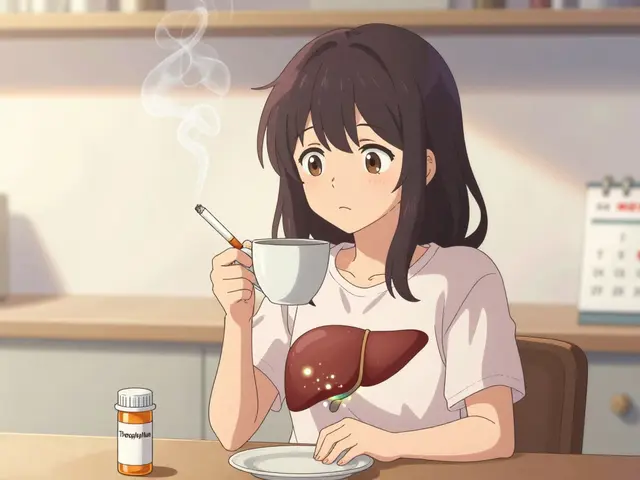
Smoking can drastically alter how your body processes medications, especially those metabolized by CYP1A2. This hidden enzyme effect can cause treatment failure or dangerous toxicity - especially after quitting. Learn which drugs are affected and what to do.
Ciclopirox is no longer just a nail fungus treatment. New research shows promise in cancer, antibiotic-resistant infections, and advanced topical delivery - making it one of the most surprising drug repurposing stories of 2025.
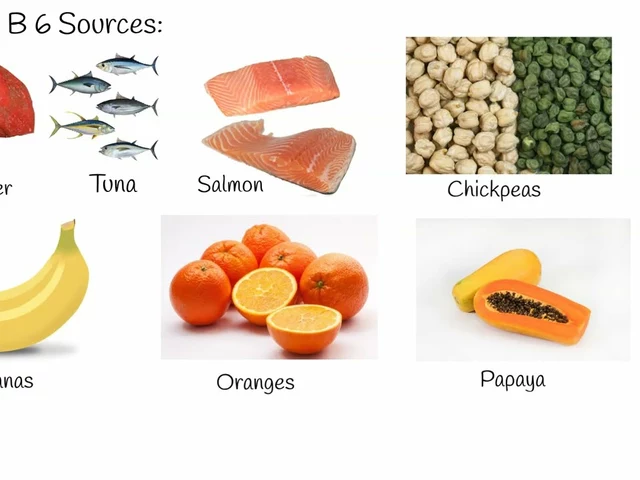
In my recent deep dive into the world of vitamins and their impact on mental health, I've discovered the significant role of Pyridoxine, also known as Vitamin B6. Research has shown that this vitamin can help manage stress and anxiety levels effectively. It plays a crucial role in the production of neurotransmitters, which are essential in regulating mood and stress responses. Low levels of Pyridoxine have been linked with increased anxiety and stress. So, keeping an eye on your B6 intake could be a natural way to maintain your mental wellbeing.