
Did you know an overactive thyroid can speed up your heart and melt away pounds without dieting? Hyperthyroidism means your thyroid makes too much hormone. That affects energy, mood, sleep, heart rate, and bones. If something feels off, this guide tells you clear signs, how doctors check it, real treatment options, and simple daily steps you can use now.
The most common cause is Graves' disease — an autoimmune condition. Other causes include toxic nodules, thyroiditis (inflammation), certain drugs like amiodarone, or too much iodine. Symptoms you’ll notice: fast or irregular heartbeat, feeling hot or sweating, unexplained weight loss, shaky hands, anxiety, trouble sleeping, hair thinning, and more frequent bowel movements. Women may see changes in their periods. Graves can also cause eye changes — redness, bulging, or double vision — so tell your doctor if you notice eye problems.
Not everyone feels all of these. Older adults sometimes show only tiredness, weight loss, or heart problems. That’s why a simple blood test is often the first step.
Diagnosis starts with blood tests: low TSH with high free T4 or T3 points to hyperthyroidism. Your doctor might order antibody tests (TSI) if Graves is suspected. A radioactive iodine uptake scan or thyroid ultrasound helps find nodules or inflammation. If you have rapid heart rate or chest pain, seek care right away — severe cases can become a thyroid storm, which is an emergency.
Treatment depends on the cause, your age, pregnancy status, and how severe symptoms are. Options are medicine, radioactive iodine, or surgery.
Antithyroid medications — methimazole or propylthiouracil (PTU) — slow hormone production. They work well but need regular blood checks. Side effects are uncommon but can be serious, like low white blood cells. Beta-blockers (like propranolol) don’t fix the thyroid but help with fast heart rate, tremor, and anxiety while other treatments take effect.
Radioactive iodine (RAI) is a one-time pill that shrinks the thyroid. Many people become hypothyroid afterward and need lifelong thyroid hormone pills. Surgery (thyroidectomy) removes part or all of the gland and is chosen when nodules are large, cancer is suspected, or other treatments aren’t suitable.
Practical daily tips: stick to your meds and clinic follow-ups, avoid high-iodine supplements (kelp, certain seaweeds), check bone density if your condition lasts, and watch your heart rate. If you’re pregnant or planning pregnancy, tell your doctor — treatment choices change during pregnancy.
If you notice sudden fever, severe weakness, confusion, or rapid heartbeat, go to the ER. For ongoing care, find a doctor you trust and get labs every few months until things stabilize. With the right plan, most people return to normal life and feel a lot better fast.

As a blogger, I recently delved into the fascinating connection between hyperthyroidism and high blood pressure. I discovered that hyperthyroidism, a condition where the thyroid gland produces too much thyroid hormone, can actually lead to high blood pressure, also known as hypertension. This occurs because an excess of thyroid hormone can cause blood vessels to constrict, leading to increased pressure within the vessels. It's important to recognize and treat both conditions to prevent serious complications such as heart disease or stroke. Stay tuned for my full blog post where I'll share more information on this critical health issue and potential treatment options.

Learn everything about Penegra - what it treats, how to take it, possible side effects, drug interactions, and safety tips for 2025.
Discover the heightened bleeding dangers when combining aspirin with blood thinners. Learn risk multipliers for different organs, safe management strategies, and critical warning signs requiring urgent medical attention.

Explore universaldrugstore.com—its reputation, medication sourcing, prices, safety, and real-user experiences in the online pharmacy landscape.
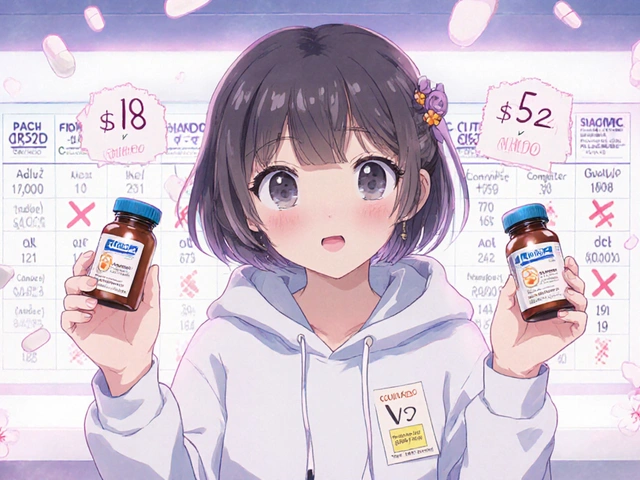
Insurance plans often cover generic combination drugs differently than individual generics, leading to confusing and sometimes costly outcomes. Learn how formularies, tiers, and pricing affect your out-of-pocket costs-and how to save money.
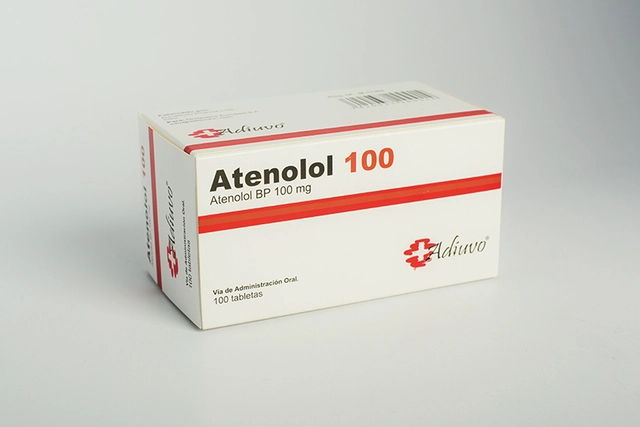
After researching the long-term effects of Atenolol-Chlorthalidone on our health, I've discovered both positive and negative outcomes. This combination medication is primarily used to treat high blood pressure, which can lead to a decreased risk of heart attacks, strokes, and kidney problems. However, long-term use may cause side effects like dizziness, fatigue, and depression. It's essential to work closely with your healthcare provider to find the right balance for your individual needs. Overall, Atenolol-Chlorthalidone can be an effective treatment for high blood pressure, but we need to be mindful of potential side effects over time.