
Hives, also called urticaria, are itchy, raised welts that come on quickly and can move around the body. They often flare after an obvious trigger like a new med, food, insect bite, or temperature change, but sometimes no cause is found. Most hives go away within 24 to 48 hours, but new ones can appear for days or weeks.
Stop any likely trigger. If you started a new medication, contact your prescriber. Cool compresses and loose clothing help. For most adults, an over-the-counter second-generation antihistamine such as cetirizine, loratadine, or fexofenadine reduces itch without making you sleepy. Follow the package dose; if symptoms are severe, a doctor may recommend a short prednisone course.
Keep a simple diary: note foods, medicines, activities, and products used before each flare. Photos help your clinician see the pattern. For chronic hives that last more than six weeks, doctors often test for autoimmune causes and consider higher antihistamine doses, other prescription meds, or referral to an allergy specialist.
Home remedies can ease symptoms. A cool bath with baking soda or colloidal oatmeal soothes the skin. Avoid hot showers, alcohol, and tight clothing. Use fragrance-free cleansers and moisturizers. Topical anti-itch creams give short relief but don’t stop new hives from forming.
If you have swelling of the face, lips, tongue, throat tightness, trouble breathing, fainting, or a drop in blood pressure, get emergency care — that could be anaphylaxis. Also seek urgent care if hives are accompanied by a high fever, severe pain, bruising, or if they spread rapidly.
Managing chronic hives feels frustrating, but there are effective steps. Doctors may increase antihistamines up to four times the standard dose, add H2 blockers, leukotriene receptor antagonists, or prescribe omalizumab for stubborn cases. These treatments require medical supervision.
Prevention tips are practical. Wear gloves when handling new chemicals, test new skincare on a small area, avoid foods and meds you suspect, and reduce stress with sleep and gentle exercise — stress can worsen flares. Travel and weather can trigger physical urticaria, so plan ahead with antihistamines.
If you’re unsure what’s causing your hives or they keep coming back, make an appointment with your primary care doctor or an allergist. Bring your diary, photos, and a list of current meds and supplements. With the right approach, most people find relief and a plan to prevent future flares.
Medication safety tips: don’t mix antihistamines with alcohol or heavy machinery until you know how a drug affects you. If you’re pregnant, breastfeeding, or have liver or kidney disease, check with your clinician before starting new meds. For children, dosing depends on weight; use pediatric products or follow a doctor’s instructions. If hives follow a sting or you have severe swelling, emergency services should evaluate you. Many people control hives with a simple plan: avoid triggers when known, use daily antihistamine during flare-ups, and follow up with a doctor if symptoms persist. Keeping calm helps — anxiety can make itching feel worse. Track progress.

Managing hives can be challenging, but your diet plays a significant role in alleviating symptoms. By strategically including or excluding certain foods, you can potentially experience relief and keep outbreaks under control. Learn which foods to avoid and which to consume to help manage hives effectively.
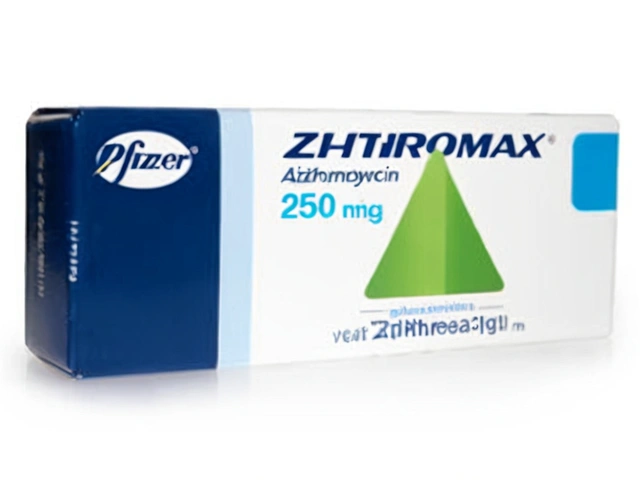
An in-depth look into the severe side effects of the antibiotic Zithromax (Z-Pak) and the legal actions against Pfizer Inc. Over-prescription risks, patient reports of severe health issues, and legal options for affected individuals are discussed.

Fluticasone nasal spray and oral steroids both reduce inflammation, but they work very differently. Learn why nasal spray is safer for allergies and when oral steroids are actually needed.

Solifenacin, a drug mainly used for adult overactive bladder, is sometimes given to children and teens. This article breaks down how safe and effective solifenacin is for younger patients, what side effects families should watch for, and which situations make it a good option. Real-world advice, medical facts, and guidance for caregivers make this a must-read for anyone dealing with pediatric bladder problems.

This article delves into seven noteworthy alternatives to WebMD for those seeking reliable health information. Each platform offers unique features and focuses, from expert-reviewed content to user-friendly interfaces. Readers will discover the pros and cons of each option, helping them make informed choices about where to turn for trusted medical guidance.

What transit actually does to cut gridlock. Clear mechanisms, real numbers, case studies, and a step-by-step playbook cities can use in 2025.