
High uric acid (hyperuricemia) can sit quietly for years or show up suddenly as painful gout or kidney stones. You don’t need to panic, but you do need a plan. Below are clear steps you can use right away and habits that make a lasting difference.
Drink water. Aim for at least 8–10 cups a day unless your doctor tells you otherwise. Staying hydrated helps your kidneys flush uric acid faster.
Cut sugary drinks and fruit juices. Fructose raises uric acid quickly — swap soda and sweetened drinks for water, sparkling water, or unsweetened tea.
Stop or cut back on alcohol, especially beer and spirits. Alcohol interferes with uric acid removal and triggers gout attacks.
Avoid high-purine foods for a few weeks: organ meats (liver, kidneys), anchovies, sardines, mussels, and some shellfish. Red meat and game can also raise levels — try to limit these to small portions or fewer days a week.
If you have a gout flare, rest the joint, apply ice, and see your doctor. For short-term relief you may be prescribed NSAIDs, colchicine, or a steroid; take them exactly as directed.
Focus on weight and movement. Losing even 5–10% of body weight can lower uric acid. Walk, bike, or do home workouts most days — consistent activity helps insulin sensitivity and kidney function.
Choose smarter proteins: swap frequent red meat meals for fish that are lower in purines (like salmon), eggs, low-fat dairy, or plant proteins such as lentils and tofu. Plant proteins don’t raise gout risk the way meat does.
Eat cherries or berries and get enough vitamin C. Some people find cherries help reduce flare frequency; vitamin C can modestly lower uric acid when taken in usual supplement doses. Talk with your clinician before starting new supplements.
Review your medicines. Some drugs (certain diuretics, low-dose aspirin) can raise uric acid. Don’t stop medication on your own — ask your doctor whether alternatives exist.
Get tested and set a target. A blood test tells your level. For people without gout, typical lab ranges fall roughly between 3.5–7.2 mg/dL, and doctors often aim for <6 mg/dL if gout has occurred. Your target may differ based on your health and kidney function.
If lifestyle changes aren’t enough, medication like allopurinol or febuxostat can lower uric acid safely for most people. Your doctor will explain benefits, side effects, and monitoring. Never start or stop these drugs without medical advice.
When to see a doctor now: repeated joint pain, a very painful swollen toe or ankle, blood uric acid consistently high on tests, or kidney stones. Early care prevents damage and keeps you moving.
Small, steady changes work best: drink more water, cut sugary drinks and beer, reduce red meat, move more, and talk to your doctor about tests and meds. You’ll feel better and cut the chance of painful flares.
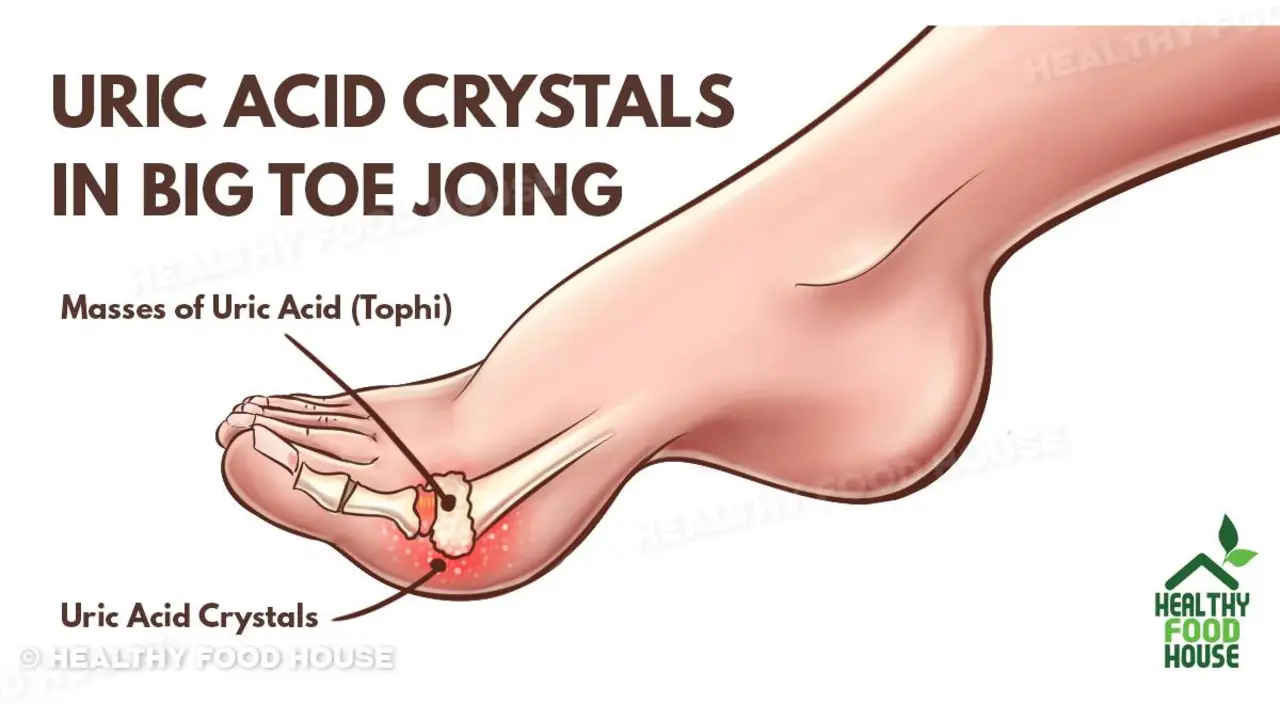
Hi there, gentlemen! In today's blog post, we're going to tackle some of the most common myths and misconceptions surrounding high uric acid levels and gout. I bet you've heard many of them before, but rest assured, our aim is to debunk these myths and arm you with the facts. Let's navigate this journey together, separating fact from fiction when it comes to your health.
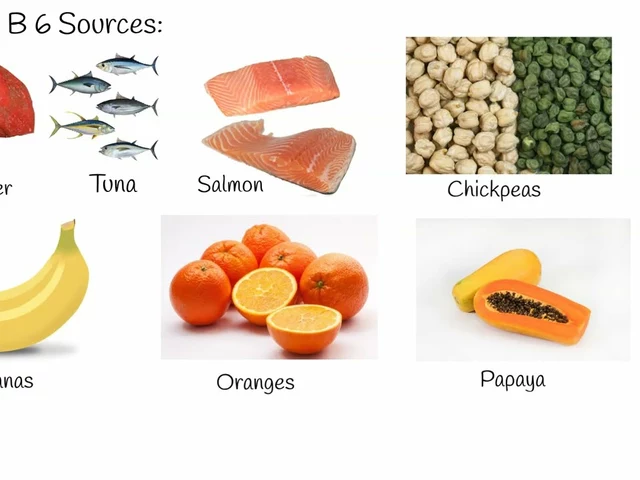
In my recent deep dive into the world of vitamins and their impact on mental health, I've discovered the significant role of Pyridoxine, also known as Vitamin B6. Research has shown that this vitamin can help manage stress and anxiety levels effectively. It plays a crucial role in the production of neurotransmitters, which are essential in regulating mood and stress responses. Low levels of Pyridoxine have been linked with increased anxiety and stress. So, keeping an eye on your B6 intake could be a natural way to maintain your mental wellbeing.
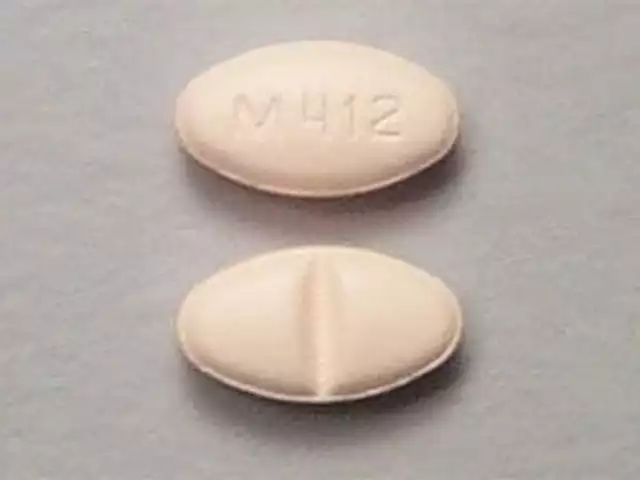
As a blogger, I recently looked into fluvoxamine interactions and found out that it's crucial to avoid certain medications while taking this SSRI. Some medications, like monoamine oxidase inhibitors (MAOIs) and pimozide, can cause severe side effects when taken with fluvoxamine. It's also essential to be cautious with other antidepressants, blood thinners, and drugs affecting serotonin levels. To ensure safety, always consult with a doctor before starting any new medications while on fluvoxamine. Remember, it's better to be safe than sorry when it comes to drug interactions!

Solifenacin, a drug mainly used for adult overactive bladder, is sometimes given to children and teens. This article breaks down how safe and effective solifenacin is for younger patients, what side effects families should watch for, and which situations make it a good option. Real-world advice, medical facts, and guidance for caregivers make this a must-read for anyone dealing with pediatric bladder problems.

In my latest blog post, I discuss the importance of community outreach in promoting HIV awareness and prevention, with a focus on the antiretroviral drug Atazanavir. As a key player in the fight against HIV, Atazanavir has been proven effective in suppressing the virus and improving patients' quality of life. By educating our community about this medication, we can empower people living with HIV and help prevent the spread of the virus. Additionally, I explore various community outreach strategies and tools that can be implemented to raise awareness and encourage prevention. Join me in spreading the word to help create a healthier, more informed society.

Paul Jessup, the ex-managing director of Strand Capital SA, has been disqualified from serving as a company director for nine years. The Insolvency Service found him guilty of misusing funds from Helvetica Investments Ltd, leading to a significant financial shortfall and his subsequent disqualification.