
When your doctor orders a creatine phosphokinase, an enzyme found in muscle, brain, and heart tissue that leaks into the blood when those tissues are damaged. Also known as CPK, it's one of the first clues doctors look at when something’s wrong with your muscles or heart. If you’ve ever had a blood test after chest pain, a hard workout, or a muscle injury, chances are CPK was checked. It’s not a fancy biomarker—it’s a simple, powerful signal that tells your body’s story in numbers.
CPK isn’t just one thing. It comes in three main forms: CPK-MM, the version mostly in skeletal muscle, CPK-MB, the type tied to heart muscle, and CPK-BB, found in the brain and smooth muscle. When your CPK level spikes, doctors don’t just see a number—they look at which form is high. A rise in CPK-MB after chest pain? That’s a red flag for heart damage. A jump in CPK-MM after heavy lifting or a fall? That’s likely just muscle strain. It’s not just about the level—it’s about the pattern.
High CPK doesn’t always mean something serious. Intense exercise, muscle injections, seizures, or even certain medications can push levels up. But if your CPK is extremely high—say, over 5,000 IU/L—it could point to rhabdomyolysis, a dangerous condition where muscle breaks down and floods your kidneys with toxins. That’s why doctors don’t just look at CPK alone. They check kidney function, electrolytes, and symptoms. Low CPK? That’s less common, but sometimes seen in people with muscle-wasting diseases or long-term inactivity. It’s not a diagnosis on its own, but it’s a piece of the puzzle.
You’ll find posts here that dig into how CPK levels relate to heart attacks, muscle injuries, and even drug side effects. One article explains how statins can raise CPK without causing real harm—another shows why CPK testing matters more for older adults on certain meds. There’s also a piece on how enzyme levels can be misread if you’re not careful about timing after exercise or trauma. These aren’t abstract science papers. They’re real-world guides for people who’ve seen a weird CPK result and want to know what it actually means for them.
Whether you’re wondering why your CPK was checked after a workout, or you’re trying to understand a doctor’s note that says "elevated enzyme," this collection gives you the facts without the jargon. No fluff. No guesswork. Just what you need to know to make sense of your numbers—and when to ask for more.
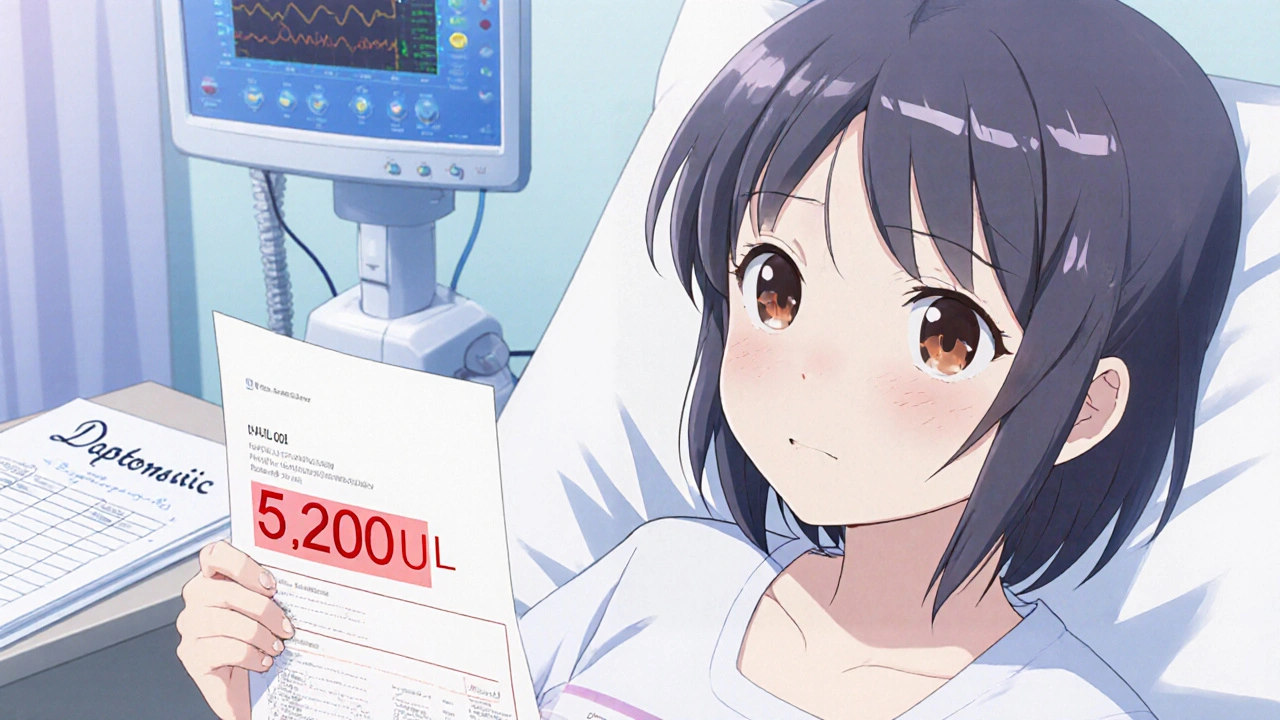
Daptomycin can cause serious muscle damage that often shows up without symptoms. Learn how to monitor CK levels, recognize warning signs, and prevent life-threatening complications during treatment.

In my latest blog post, I delve into the complex world of Alzheimer's Type Dementia, breaking down its progression into specific stages. I discuss the early signs, which may be as subtle as mild forgetfulness, to the more severe stages that can involve significant memory loss and confusion. I also touch on the emotional journey for both the patient and their loved ones as they navigate this challenging condition. It's a tough topic, but understanding what to expect can help us provide the necessary support and care. I hope this post brings some light to the often misunderstood progression of Alzheimer's.
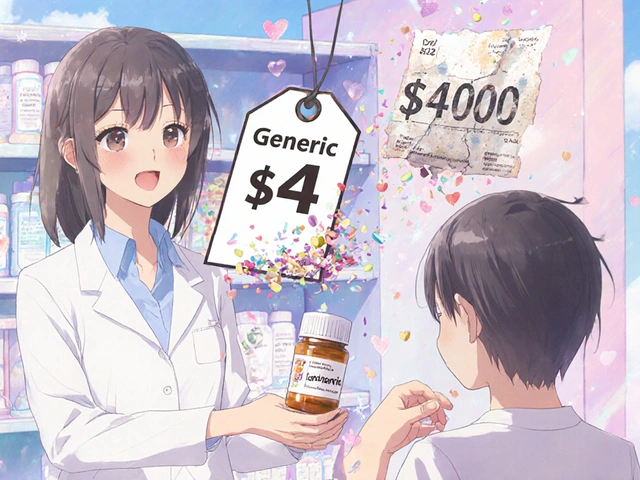
Generic drugs cost 80-85% less than brand-name drugs because they don’t repeat expensive clinical trials or pay for patent-era marketing. They’re chemically identical, FDA-approved, and save Americans billions every year.

What transit actually does to cut gridlock. Clear mechanisms, real numbers, case studies, and a step-by-step playbook cities can use in 2025.
Compare Natrise (tolvaptan) with safer, cheaper alternatives for treating hyponatremia. Learn when fluid restriction, urea, or demeclocycline may be better options - and why Natrise isn't always the right choice.

Are online pharmacies really less expensive and more convenient than your neighborhood drugstore? This in-depth article explores the real cost and time differences between RxConnected and local pharmacies, providing practical insights, data, and expert tips to help you make smarter choices about where to fill your prescriptions in 2025.