
When dealing with corticosteroid nasal spray, a medication that delivers anti‑inflammatory steroids directly into the nasal passages. Also known as intranasal steroid, it is designed to shrink swollen tissue, ease breathing, and keep symptoms from flaring up. corticosteroid nasal spray is a go‑to option for many people battling chronic nasal issues.
This type of spray targets allergic rhinitis, the allergic inflammation of the nasal lining that causes sneezing, itching, and a runny nose. It reduces the immune response triggered by pollen, dust or animal dander, so users feel less congestion and fewer post‑nasal drips. The drug also helps with nasal congestion, the blockage and swelling of nasal passages that makes breathing feel tight, which commonly accompanies colds or sinus pressure.
Among the many brands, fluticasone propionate, a widely prescribed corticosteroid that comes in spray bottles like Flonase and generic versions stands out for its strong evidence base and low cost. Another popular choice is budesonide, a steroid often marketed as Rhinocort, known for gentle taste and effective relief. Both work by binding to glucocorticoid receptors in the nasal mucosa, shutting down the release of inflammatory chemicals. Using the spray correctly matters as much as the drug itself. First, blow your nose gently to clear excess mucus. Then, tilt your head slightly forward, insert the nozzle, and aim the spray toward the outer side of each nostril – not straight up. This direction lets the mist coat the turbinates where inflammation lives. A common mistake is sniffing hard after each puff; that forces the medication down into the throat instead of staying where it’s needed. After spraying, avoid blowing your nose for a few minutes to let the drug settle. Most doctors suggest starting with one or two sprays per nostril daily for the first week, then scaling back to the lowest dose that keeps symptoms at bay. Consistency is key – the spray builds its effect over several days, so missing doses can bring symptoms back quickly. If you notice persistent nosebleeds, dryness, or irritation, try a saline rinse before the steroid or speak with a pharmacist about a milder formulation.
Because corticosteroid nasal sprays are prescription‑free in many regions, people often wonder about buying them online. The same safety checks that apply to any medication—verifying a legitimate pharmacy, checking expiration dates, and confirming the correct dosage—still hold true. When you see price‑comparisons or “cheap generic” ads, remember that the active ingredient must match exactly; otherwise, you risk ineffective treatment or unexpected side effects. Beyond allergy relief, these sprays can aid patients with mild asthma, chronic sinusitis, and even certain cases of non‑allergic rhinitis. The anti‑inflammatory action helps keep the upper airway calm, which can lower the frequency of asthma attacks triggered by nasal irritation. Some specialists also prescribe a short course of a spray after nasal surgery to speed healing and reduce swelling.
In the collection below you’ll find detailed comparisons of popular steroid sprays, safety guides for buying generic versions online, and step‑by‑step tips for mastering the proper technique. Whether you’re looking for a cost‑effective option, need to understand side‑effect profiles, or just want to confirm you’re using the spray correctly, the articles ahead cover the full spectrum of practical information.

A thorough comparison of Nasonex (mometasone furoate) with Flonase, Rhinocort, Nasacort, and other alternatives, covering potency, cost, age suitability, side‑effects, and best‑fit scenarios.

Ankylosing spondylitis causes chronic spine inflammation and can lead to fusion if untreated. Learn how medication, daily exercise, and lifestyle changes can preserve mobility and prevent long-term damage.

Discover how magnesium, valerian root, and CBD may help relax muscles, relieve spasms, and support your back pain regimen alongside methocarbamol.

Navigating exercise with an overactive bladder can be tricky, but you don’t have to give up being active. This article breaks down how movement affects OAB, which types of workouts actually help, and what to avoid if you want to prevent leaks or accidents. Get practical tips on managing symptoms before, during, and after exercise, plus advice for building confidence when trying new routines. Say goodbye to embarrassment and uncertainty—everything here is designed for people ready to be active on their terms.
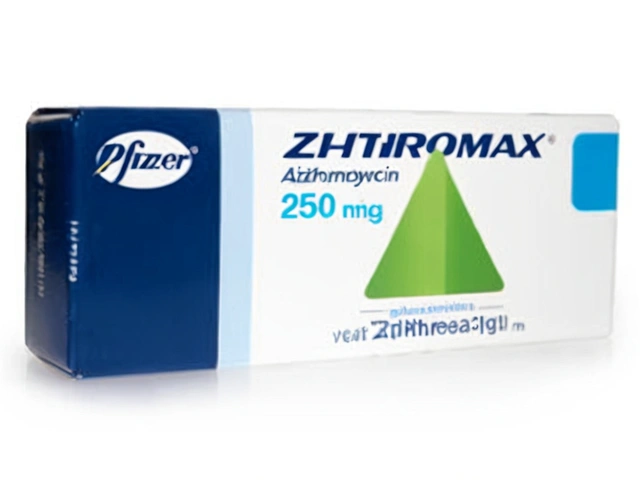
An in-depth look into the severe side effects of the antibiotic Zithromax (Z-Pak) and the legal actions against Pfizer Inc. Over-prescription risks, patient reports of severe health issues, and legal options for affected individuals are discussed.

Vaccine generics don't exist like drug generics-complex manufacturing, supply chains, and profit-driven systems keep low-income countries dependent on imports. Here's why global vaccine access remains unequal.