
If your nose feels like a traffic jam every morning, you’re not alone. A blocked nose isn’t just annoying— it can mess with sleep, work, and even workouts. The good news? Most congestion clears up with a few smart moves, and you don’t need a prescription for every case.
First, look at what’s already in your routine. Simple changes can keep the mucus thin and moving. Drinking enough water (aim for eight glasses a day) is the cheapest trick. Warm liquids like tea or broth also help because the steam loosens the stuff that’s stuck.
Humidity matters, too. A dry room makes the lining of your nose dry and irritated, which actually makes it produce more mucus. A small humidifier in the bedroom or a warm shower before bed can add the moisture you need.
Saline spray is a game‑changer. It’s just salt water, but it rinses out allergens, pollen, and excess slime. Use a spray or a neti pot twice a day—nothing fancy, just tilt your head, pour, and let gravity do the work.
Spice lovers get a bonus here. Capsaicin in hot peppers or a dash of cayenne in food can temporarily open up the nasal passages. Even a quick sniff of a menthol chest rub can give that instant “breathing‑easy” feeling.
If home tricks aren’t enough, over‑the‑counter decongestants step in. Look for pseudoephedrine or phenylephrine tablets if you can tolerate a stimulant. They shrink the blood vessels in your nose, letting air flow. Use them for no more than three days; otherwise, you risk rebound congestion where the nose gets even stuffier.
Topical options are handy for quick relief. Oxymetazoline spray works fast, but again, limit to three days straight. A single spray in each nostril can give you an hour or two of clear breathing before a meeting or a flight.
Antihistamines help when allergies are the culprits. Modern non‑sedating options like loratadine or cetirizine block the body’s histamine response, which reduces swelling and mucus production. Pair them with a saline rinse for best results.
If you have chronic sinus issues, a short course of a nasal corticosteroid spray (like fluticasone) can calm inflammation over a week or two. It’s not a quick fix, but it prevents the cycle of swelling and mucus build‑up.
Finally, don’t ignore the cause. Smoking, air pollution, or even a deviated septum can keep you stuck in a congested loop. Quitting smoking, using an air purifier, or getting a simple ENT evaluation might be the only way to break free for good.
Bottom line: start with hydration, humidity, and saline. If that doesn’t clear the road, reach for a short‑term decongestant or antihistamine, but keep the usage brief. And if congestion hangs around for weeks, it’s time to talk to a doctor—there could be an underlying issue that needs proper treatment.

What transit actually does to cut gridlock. Clear mechanisms, real numbers, case studies, and a step-by-step playbook cities can use in 2025.

Fenofibrate, usually known for managing cholesterol levels, has a surprising impact on overall cardiovascular health. By targeting triglycerides, it not only improves heart performance but also reduces risks associated with heart attacks and strokes. This article delves into how fenofibrate works, its benefits, potential side effects, and tips for safe consumption. Whether you're new to fenofibrate or looking to optimize its use, here's comprehensive guidance for enhancing heart health.
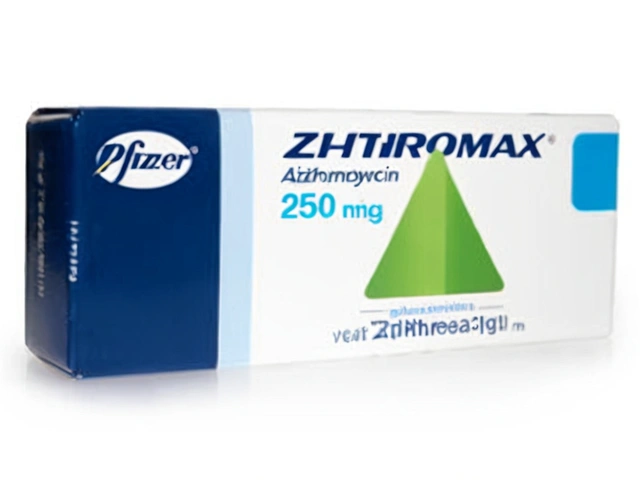
An in-depth look into the severe side effects of the antibiotic Zithromax (Z-Pak) and the legal actions against Pfizer Inc. Over-prescription risks, patient reports of severe health issues, and legal options for affected individuals are discussed.

This article delves into seven noteworthy alternatives to WebMD for those seeking reliable health information. Each platform offers unique features and focuses, from expert-reviewed content to user-friendly interfaces. Readers will discover the pros and cons of each option, helping them make informed choices about where to turn for trusted medical guidance.

Sometimes gabapentin just doesn't cut it for pain or seizures—or its side effects are just too much. This article digs into other meds that doctors often choose, breaking down how well they work and the most common side effects. From pregabalin to lesser-known options, you'll find practical details on dosing and comparisons on what users and research say. Real facts, dosing tips, and adverse event details for each option. If gabapentin isn't working for you, here's what else you can try.

In my recent deep dive into the world of vitamins and their impact on mental health, I've discovered the significant role of Pyridoxine, also known as Vitamin B6. Research has shown that this vitamin can help manage stress and anxiety levels effectively. It plays a crucial role in the production of neurotransmitters, which are essential in regulating mood and stress responses. Low levels of Pyridoxine have been linked with increased anxiety and stress. So, keeping an eye on your B6 intake could be a natural way to maintain your mental wellbeing.