
If your doctor prescribed atenolol with chlorthalidone, you're using two drugs that work together to lower blood pressure. Atenolol is a beta-blocker — it slows your heart and reduces the pressure the heart pushes with. Chlorthalidone is a long-acting thiazide-type diuretic — it lowers blood volume and eases the workload on blood vessels. Together they often give better control than either alone.
Here are the basics you actually need to know: what to watch for, how dosing usually works, and simple safety tips you can use at home.
Typical starting doses vary. Adults often begin atenolol at 25–50 mg once daily, moving to 50–100 mg if needed. Chlorthalidone commonly starts at 12.5 mg once daily and may increase to 25 mg. Your doctor will set doses based on your blood pressure, other health conditions, and how you respond.
Take both medications the same time each day, usually in the morning. Chlorthalidone can make you pee more, so morning dosing reduces nighttime trips to the bathroom. If you have kidney problems or are over 75, your provider may choose lower doses.
Common side effects are manageable: dizziness, tiredness, cold hands or feet (from atenolol), and low potassium, increased uric acid, or dehydration (from chlorthalidone). Watch for lightheadedness when standing up — that’s a sign your blood pressure might be too low.
Get these checks done as recommended: blood pressure at home, blood tests for electrolytes (especially potassium), kidney function, and blood sugar if you have diabetes. If you take medicines for diabetes, chlorthalidone can change blood sugar control; beta-blockers like atenolol can hide signs of low blood sugar, so be cautious.
Don’t stop atenolol suddenly. Stopping quickly can raise heart rate and blood pressure. If you need to stop, your doctor will taper the dose. Avoid taking nonsteroidal anti-inflammatory drugs (NSAIDs) regularly because they can reduce how well chlorthalidone works. Also mention all drugs you take — calcium channel blockers, digoxin, lithium, and some antidepressants can interact with this combo.
If you have asthma or severe COPD, atenolol may not be the best choice because it can tighten airways. Pregnant or breastfeeding? Tell your doctor — some blood pressure drugs need changing during pregnancy.
Simple habits help: weigh yourself weekly to catch fluid loss, check blood pressure at home, and keep a list of side effects or symptoms to share with your clinician. If you buy meds online, use verified pharmacies and always keep a current prescription.
This combo works well for many people, but individual factors matter. Talk openly with your provider about how you feel on the meds, and bring a list of all other drugs you take. That keeps treatment safe and effective, without surprises.
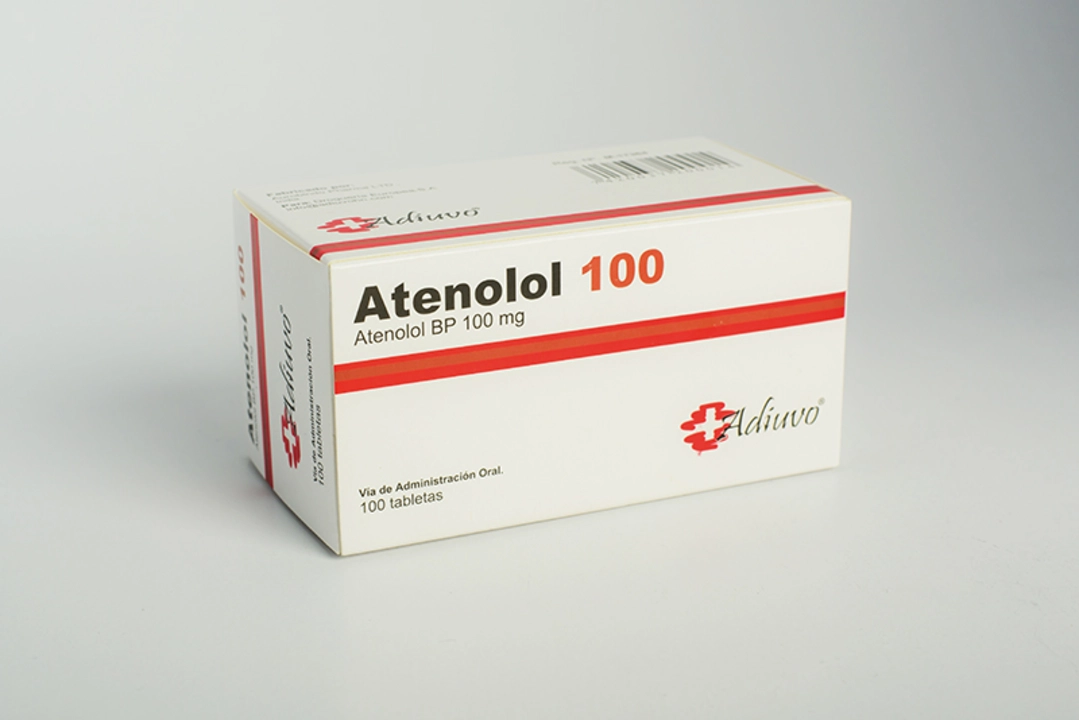
After researching the long-term effects of Atenolol-Chlorthalidone on our health, I've discovered both positive and negative outcomes. This combination medication is primarily used to treat high blood pressure, which can lead to a decreased risk of heart attacks, strokes, and kidney problems. However, long-term use may cause side effects like dizziness, fatigue, and depression. It's essential to work closely with your healthcare provider to find the right balance for your individual needs. Overall, Atenolol-Chlorthalidone can be an effective treatment for high blood pressure, but we need to be mindful of potential side effects over time.

Paul Jessup, the ex-managing director of Strand Capital SA, has been disqualified from serving as a company director for nine years. The Insolvency Service found him guilty of misusing funds from Helvetica Investments Ltd, leading to a significant financial shortfall and his subsequent disqualification.

Bioequivalence studies prove generic drugs work the same as brand-name ones by comparing how they're absorbed in the body. Learn the step-by-step process, from study design to statistical analysis.
I recently came across a study discussing the effectiveness of Minocycline for sinus infections. It turns out, this antibiotic has shown promising results in treating both acute and chronic sinusitis. The study suggests that Minocycline may reduce inflammation and bacterial growth in the sinuses, providing relief for those suffering from sinus infections. However, it's important to consult with your doctor before using this medication, as it may not be suitable for everyone. So, if you're struggling with a sinus infection, Minocycline might be worth looking into as a potential treatment option.

Find practical tips and facts on switching from Symbicort to Advair: dosage conversion, side effects, and insurance authorization. Get smart, hands-on guidance here.

I've recently discovered a game-changer for wellness, the Arenaria Rubra dietary supplement. This little-known natural powerhouse is full of benefits that can boost your overall health and vitality. It's amazing how it supports everything from our digestive system to our skin health. I've been incorporating it into my daily routine, and I can genuinely feel the difference. If you're looking to elevate your wellness game, Arenaria Rubra is definitely worth considering.