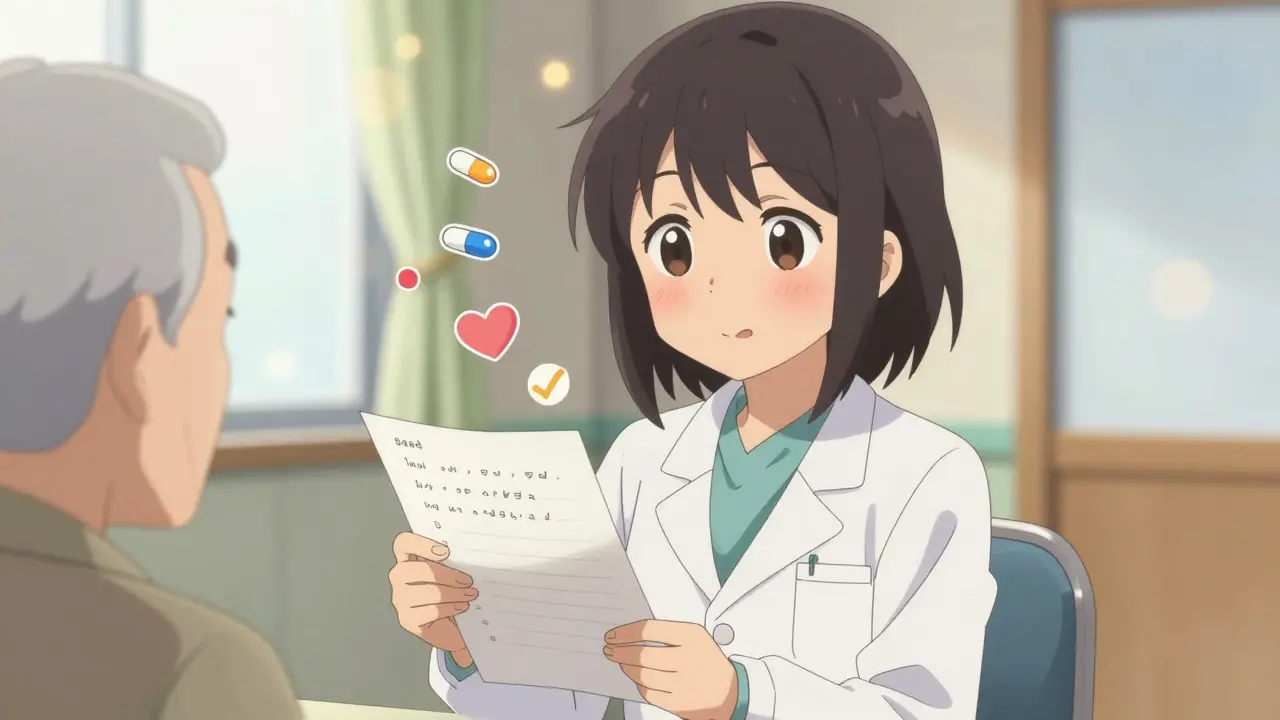
Medication errors during care transitions are a leading cause of preventable harm. Learn how medication reconciliation, pharmacist involvement, and better communication can stop these errors before they happen.
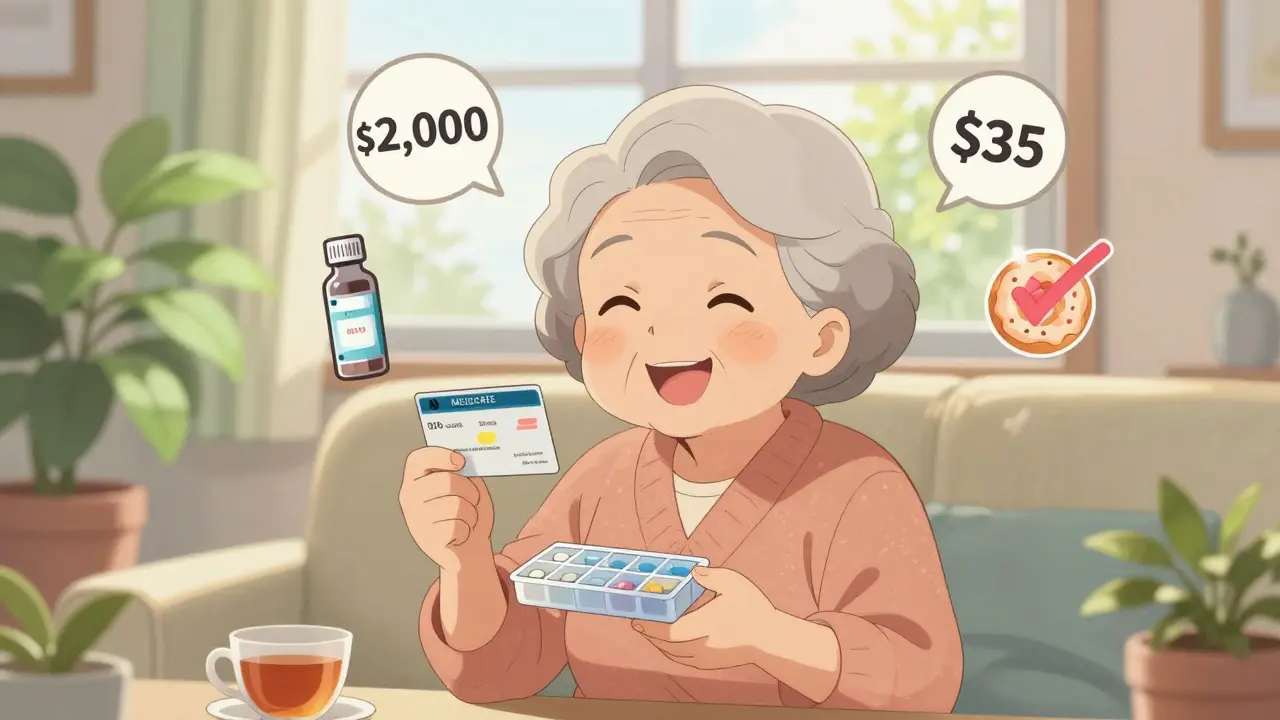
Medicare Part D now has a $2,000 annual cap on drug costs in 2025, eliminating the donut hole. Learn how Extra Help, plan choices, and insulin pricing work for seniors on prescription meds.
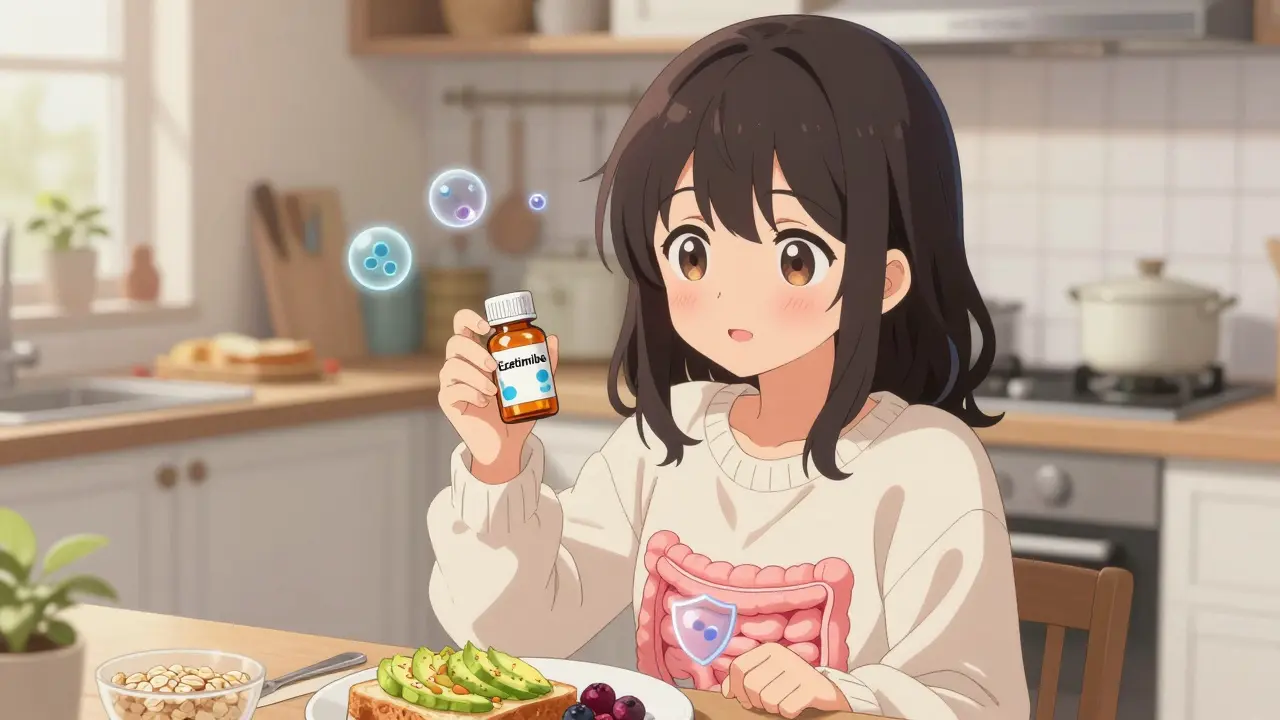
Ezetimibe and bempedoic acid offer effective, oral alternatives for people who can't tolerate statins. Both lower LDL cholesterol and reduce heart risks, with ezetimibe being affordable and bempedoic acid offering proven cardiovascular benefits.

Herpes simplex virus (HSV-1 and HSV-2) causes cold sores and genital outbreaks. Learn how antiviral therapy reduces symptoms, prevents transmission, and manages complications - with real data on outbreaks, testing, and treatment.
HIV protease inhibitors can reduce the effectiveness of hormonal birth control, increasing pregnancy risk. Learn which methods are unsafe, which are reliable, and what to do if you're on antiretroviral therapy.

Learn how the ABCDE rule helps spot melanoma, why it often misses early cases, and when to insist on a biopsy. Real facts, real stories, and what to do now.

Peppermint oil, especially in enteric-coated form, is a well-supported natural option for IBS symptom relief. Learn how it works, who it helps most, and how to use it safely and effectively based on the latest research.
Generic drugs are approved without new safety trials, making post-market surveillance critical. Learn how the FDA tracks adverse events, why quality issues arise, and what patients and providers can do to ensure ongoing safety.
Combining metformin and alcohol can trigger lactic acidosis-a rare but deadly condition. Learn the real risks, symptoms to watch for, and what experts actually recommend for people with type 2 diabetes who drink.
Generic drugs are just as safe and effective as brand-name drugs for most people, backed by decades of clinical evidence. Learn when they're the best choice-and when to stick with the brand.
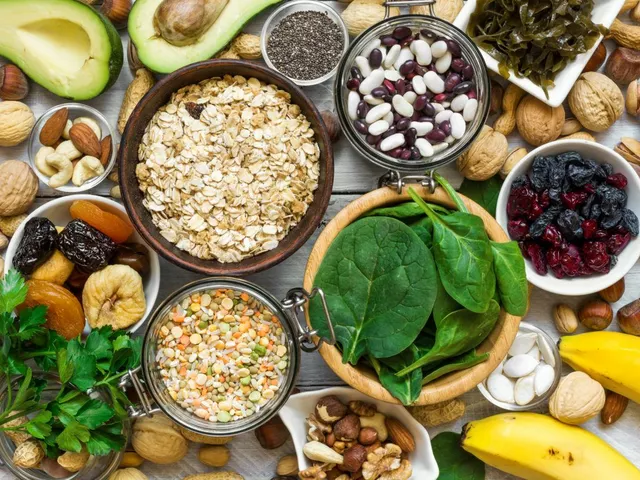
In my latest blog post, I delve into the surprising benefits of cashew dietary supplements. These little game-changers are packed with essential vitamins and minerals that can truly enhance your health regimen. I've explored how they can boost your immune system, improve heart health, and even aid in weight loss. Switching to cashew supplements could be the innovative change your diet needs. Trust me, your body will thank you.
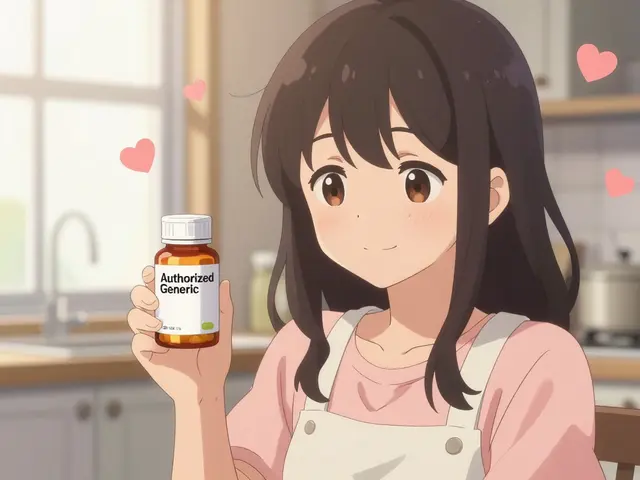
Authorized generics offer the exact same medication as brand-name drugs at lower prices, with no formulation changes that can cause side effects. A smarter, safer switch for patients on critical medications.
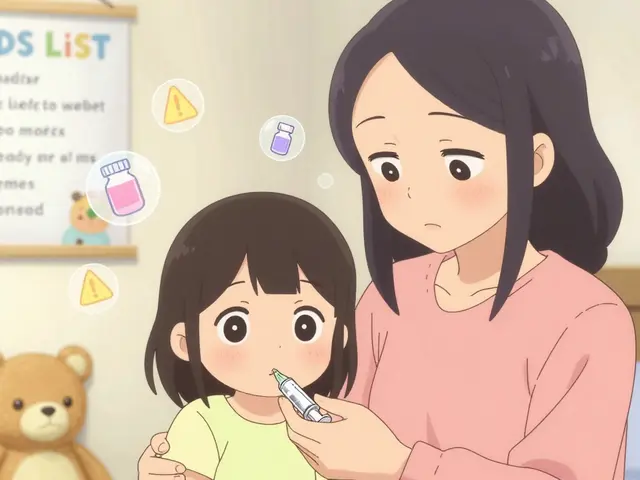
Generic drugs for children may save money, but they aren't always safe. Learn the hidden risks, the KIDs List, dosing mistakes, and what parents and doctors must do to protect kids from dangerous medication errors.