

Learn the real red flags that mean you need to call your doctor immediately when taking medication - and what side effects are usually harmless. Stop guessing. Start acting.

High-protein meals can block levodopa from reaching the brain in Parkinson’s patients, causing sudden loss of mobility. Learn how protein redistribution, meal timing, and dietitian-guided plans can restore motor control without starving yourself.
Specialists often choose brand-name drugs over cheaper alternatives because of limited treatment options, patient safety concerns, and systemic barriers. Here's why specialty prescribing remains dominated by high-cost medications.
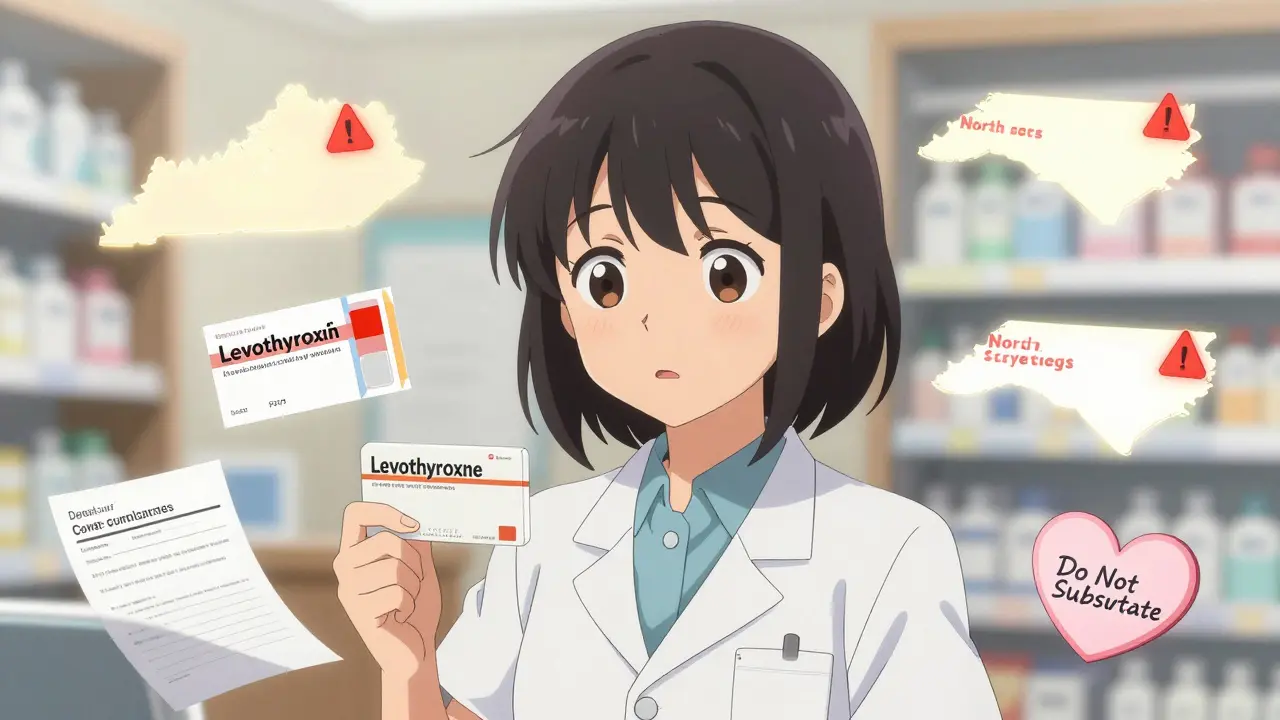
Twenty-seven U.S. states have special rules restricting generic substitution for narrow therapeutic index (NTI) drugs like warfarin, levothyroxine, and lithium. These laws vary widely - from outright bans to dual consent requirements - creating a patchwork that affects patient safety, pharmacy workflows, and drug costs.
Metformin extended-release (XR) reduces gastrointestinal side effects like diarrhea and nausea compared to immediate-release (IR) in most patients. Learn how the two forms differ, what the data shows, and which one may be right for you.
Authorized generics offer the exact same medication as brand-name drugs at lower prices, with no formulation changes that can cause side effects. A smarter, safer switch for patients on critical medications.
Nitrosamine contamination in generic drugs has triggered dozens of recalls since 2018. Learn how cancer-causing impurities slipped into medications like valsartan and metformin-and how the FDA is responding.

EU cross-border pharmacy services let citizens buy generic drugs in any member state using digital prescriptions. Learn how ePrescriptions work, where they’re accepted, and what still blocks access in 2026.
Why do cheaper drugs seem less effective? Research shows price affects perception, not actual efficacy. Learn how psychology, FDA standards, and doctor communication shape drug choices.
Turmeric supplements with black pepper pose serious risks for people taking blood thinners. Curcumin and piperine can increase bleeding danger by affecting clotting and drug metabolism. Real cases show dangerous INR spikes and liver damage. Medical experts recommend avoiding these supplements entirely. Always consult your doctor before using turmeric if on blood thinners.

Taking Duloxetine can be challenging, but finding support is crucial for managing its side effects and ensuring its effectiveness. To find support, I recommend joining online forums and social media groups dedicated to mental health and Duloxetine users, where you can share experiences and advice. Additionally, talking to friends and family about your medication journey can help you feel less alone and more understood. Don't hesitate to reach out to your healthcare provider for any concerns or questions about Duloxetine. Lastly, consider joining local support groups or therapy sessions to connect with others facing similar challenges.

Peppermint oil, especially in enteric-coated form, is a well-supported natural option for IBS symptom relief. Learn how it works, who it helps most, and how to use it safely and effectively based on the latest research.

EU cross-border pharmacy services let citizens buy generic drugs in any member state using digital prescriptions. Learn how ePrescriptions work, where they’re accepted, and what still blocks access in 2026.
In my latest blog, I explored the incredible benefits of the mighty hibiscus flower. This natural wonder is more than just a pretty bloom, it's packed with nutrients that can boost your health and happiness. From helping to control blood pressure to supporting healthy skin and hair, hibiscus is a true ally in our wellness journey. Moreover, it's a natural mood enhancer, literally adding a touch of joy to our lives. Trust me, you'll want to unlock the power of hibiscus after reading about its amazing attributes.
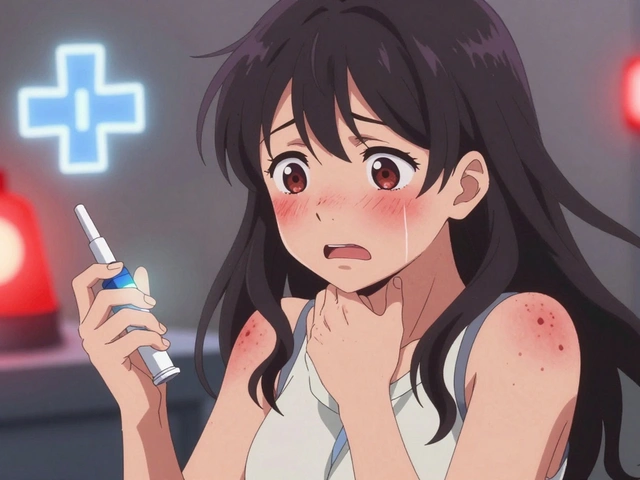
Severe drug reactions can be deadly. Know the warning signs-like trouble breathing, skin peeling, or swelling-and act fast. Epinephrine saves lives in anaphylaxis. Delaying help can cost you yours.