
Medication synchronization aligns all monthly refills to one date, preventing dangerous therapy gaps for complex regimens. Learn practical steps, eligibility criteria, and real-world impact on adherence.

Learn how online pharmacy counseling helps you find affordable generic medication alternatives. Expert guide on platforms, safety, costs, and benefits.
Generic drugs contain the same active ingredients as brand-name versions and carry the same risk of drug interactions. Scientific evidence and regulatory data confirm they are equally safe and effective.
Sulfonylureas help control blood sugar but often cause weight gain, making diabetes harder to manage. Learn how different drugs in this class affect weight, what really works to reduce the gain, and why they're still prescribed despite the risks.

Chronic insomnia isn't solved by sleep hygiene alone. Learn why CBT-I is the only evidence-based treatment that works long-term-and how to start it, stick with it, and finally get real sleep.
Pharmacists must stay current on generics to ensure safe substitutions, navigate complex regulations, and avoid errors. Learn how CE requirements, FDA guidelines, and state laws shape daily practice.
Learn how to subscribe to free FDA drug safety alerts for recalls, medication risks, and urgent health warnings. Get timely updates on drugs, devices, and allergens - and protect yourself or your patients before it’s too late.
Generic substitution saves money, but how pharmacies are paid for it is broken. PBMs profit from hidden pricing, independent pharmacies are closing, and patients are losing access. Here’s how reimbursement rules are shaping drug costs.
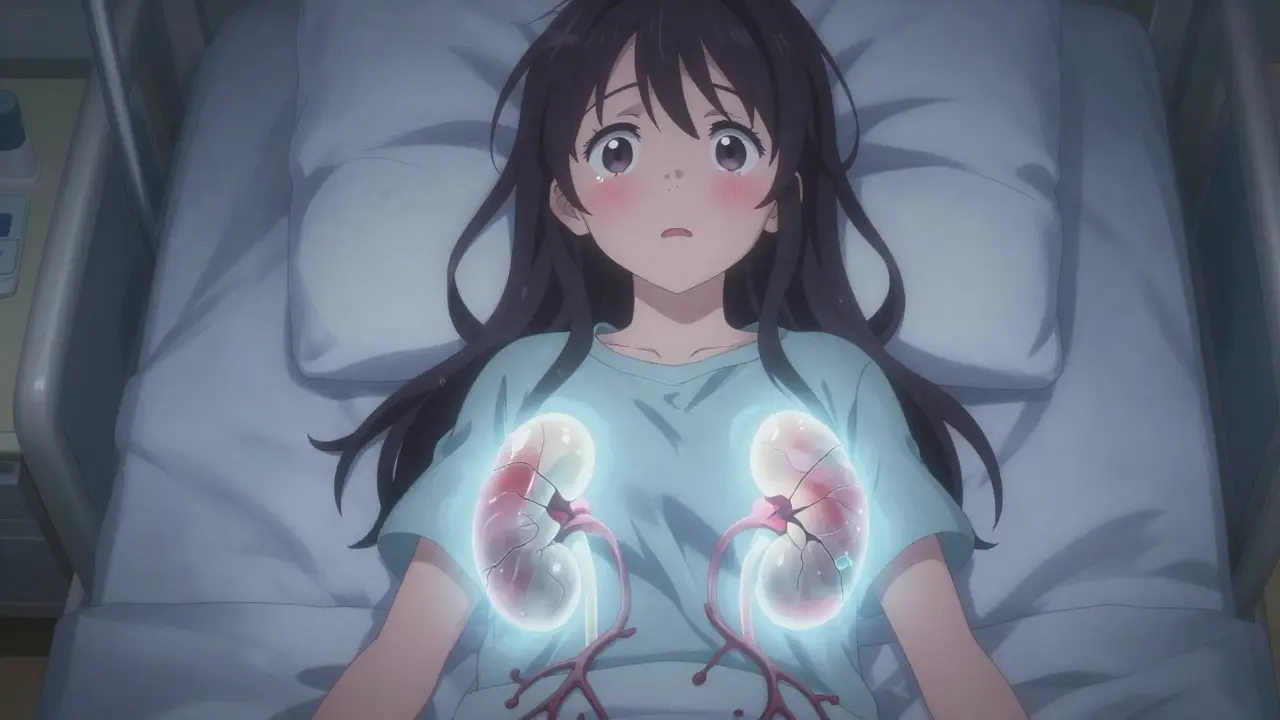
Hepatorenal syndrome is a life-threatening kidney failure that occurs in advanced liver disease. It's not caused by kidney damage, but by circulatory changes from liver failure. Early diagnosis and treatment with terlipressin or transplant can save lives.
Learn the real red flags that mean you need to call your doctor immediately when taking medication - and what side effects are usually harmless. Stop guessing. Start acting.

Learn what post-stroke depression is, its causes, key symptoms, and effective treatment options, including meds, therapy, and rehab strategies.
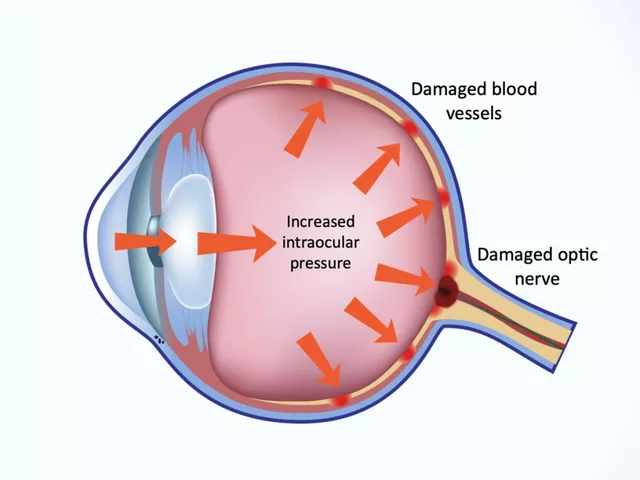
In a recent blog post, I discussed the link between high eye pressure and glaucoma, a potentially blinding eye disease. I learned that high eye pressure, also known as ocular hypertension, can damage the optic nerve and lead to glaucoma. It's important to have regular eye exams to detect any changes in eye pressure early on. While not everyone with high eye pressure will develop glaucoma, it is still a significant risk factor. Therefore, it's essential to be proactive in managing eye pressure and maintaining overall eye health.

Navigating exercise with an overactive bladder can be tricky, but you don’t have to give up being active. This article breaks down how movement affects OAB, which types of workouts actually help, and what to avoid if you want to prevent leaks or accidents. Get practical tips on managing symptoms before, during, and after exercise, plus advice for building confidence when trying new routines. Say goodbye to embarrassment and uncertainty—everything here is designed for people ready to be active on their terms.

Fenofibrate, usually known for managing cholesterol levels, has a surprising impact on overall cardiovascular health. By targeting triglycerides, it not only improves heart performance but also reduces risks associated with heart attacks and strokes. This article delves into how fenofibrate works, its benefits, potential side effects, and tips for safe consumption. Whether you're new to fenofibrate or looking to optimize its use, here's comprehensive guidance for enhancing heart health.
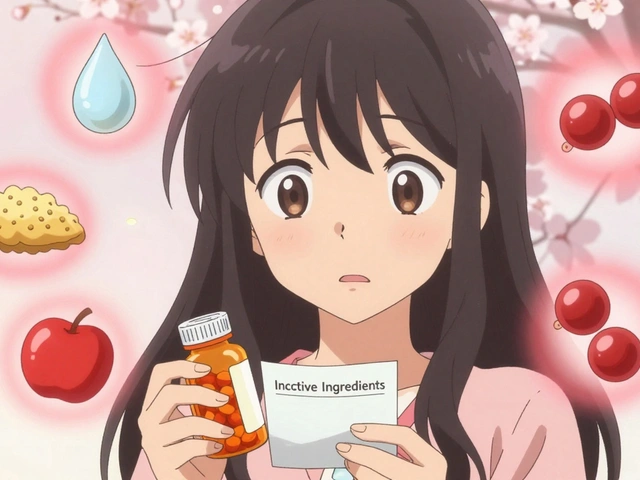
Many generic medications contain hidden allergens like lactose, gluten, or food dyes that can trigger reactions-even when the active ingredient is the same as the brand name. Learn how to identify risky excipients and protect yourself.